

A custom home needs a custom selling plan
Preparing a luxury or custom-built Alabama home for sale is not simply a more expensive version of preparing an ordinary house. Buyers at this level are evaluating design, construction quality, setting, privacy, systems, maintenance, and whether the property feels thoughtfully finished from beginning to end.
The strongest preparation plan protects what makes the home distinctive while removing the questions that can weaken buyer confidence. That means understanding which details deserve attention, which documents help support value, and how the property should be presented to the smaller group of buyers most likely to appreciate it.
Begin with the story behind the home
Custom features are easy to overlook when they are reduced to a short list of materials. Before planning photography or writing the description, create a record of why the home was designed the way it was.
Gather the builder and architect names when available, plans, surveys, specifications, warranties, permits, renovation records, and receipts for important improvements. Note details such as locally made cabinetry, specialty millwork, stonework, ceiling treatments, radiant heat, upgraded insulation, whole-house generators, smart systems, storm protection, specialty windows, water filtration, landscape design, and energy features.
This information should be factual, not exaggerated. It gives the agent, buyer, inspector, and appraiser a clearer picture of features that may not be obvious during one walk-through.
Prepare the systems before the finishes
A beautifully staged home can still lose momentum when the buyer finds deferred maintenance behind the scenes. Start with the roof, drainage, foundation, HVAC, plumbing, electrical service, fireplaces, pools, elevators, generators, gates, irrigation, septic or sewer systems, wells, and any specialized equipment.
Service what needs service, repair active problems, and organize the documentation. Buyers do not expect every component to be new, but they do expect a high-value property to feel responsibly maintained. A clean mechanical room with labeled systems and available records can create more confidence than another decorative update.
Choose improvements with restraint
Custom-home sellers can overspend by trying to make every finish match the newest trend. That approach can erase character and still fail to match the next buyer's taste.
Prioritize condition, consistency, lighting, cleanliness, and incomplete work. Repair damaged trim, cracked glass, failing sealant, stained ceilings, worn exterior finishes, loose hardware, and obvious landscaping issues. Consider repainting only where the color, wear, or touch-up quality distracts from the architecture. A well-maintained original material may be more valuable than a rushed replacement.
Large renovations should be supported by the likely buyer response and price range. A new kitchen or primary bath may not return its cost if the existing space is well built, functional, and appropriate to the home.
Edit the rooms without making them feel empty
Large homes can hold a great deal of furniture and still look cluttered in photographs. Remove enough to reveal the room proportions, sightlines, windows, millwork, flooring, and connection between indoor and outdoor spaces.
Keep the furnishings that explain how unusually shaped or oversized rooms function. A sitting room, library, keeping room, office, bonus space, or gallery should have a clear purpose. Personal collections can be reduced without stripping the home of warmth. The goal is not to make the property look generic. It is to let the architecture lead.
Treat the grounds as part of the home
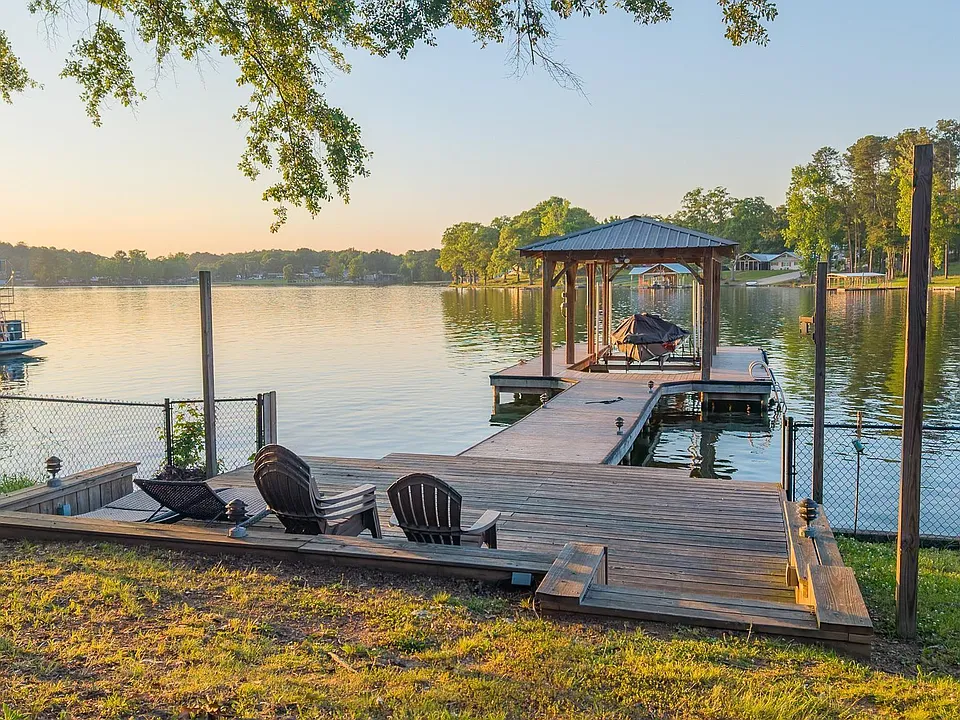
For many Northeast Alabama luxury properties, the setting is a major part of the value. Acreage, mature landscaping, mountain views, waterfront, outdoor kitchens, pools, guest houses, barns, workshops, gardens, and gated entrances should be prepared with the same care as the interior.
Trim sightlines, refresh planting beds, pressure-wash where appropriate, service pools and water features, repair gates and exterior lighting, and make walking paths safe. Buyers should be able to understand how the home, drive, land, and accessory structures connect. If a current survey is available, have it ready rather than relying on informal boundary descriptions.
Make specialized features easy to operate
A buyer should not leave a showing wondering whether the theater, generator, pool equipment, security system, smart lighting, gate, elevator, or audio system works. Prepare a brief operating guide for features that are not self-explanatory and keep remotes, keys, codes, and service contacts organized.
Review smart-home accounts and connected devices before listing. Do not leave personal passwords, recordings, schedules, or private account information accessible. At closing, follow the manufacturer's process for transferring ownership or resetting devices rather than simply handing over a password.
Plan photography around architecture and experience
Luxury marketing needs more than a wide-angle photograph of every room. The visual plan should show scale, craftsmanship, natural light, views, circulation, outdoor living, and the relationship between the home and its setting.
Professional photography is essential. Depending on the property, the plan may also include twilight images, cinematic video, drone coverage, floor plans, detail photography, or seasonal images. These tools should clarify the property, not make it look larger, brighter, or more private than it really is.
The opening image should provide a reason to stop scrolling. The full presentation should give a serious buyer enough information to decide that the property deserves an in-person visit.
Price the property without adding up construction receipts
The amount spent building or improving a custom home does not automatically equal its market value. Buyers compare the complete property with the alternatives available to them, including other custom homes, newer construction, waterfront or acreage properties, and homes in nearby markets.
A useful pricing analysis considers recent sales, current competition, location, land, design, condition, replacement difficulty, buyer demand, and the features the market has actually rewarded. Price per square foot may be one reference point, but it rarely explains a unique property by itself.
Overpricing can be especially costly in the upper end of the market. A smaller buyer pool means each launch, showing, and period of online exposure matters. The goal is to position the home confidently, not to test a number that cannot be supported.
Prepare useful information for the appraisal
An appraisal is an independent opinion of value, not a reimbursement calculation for construction costs. Unique homes can be challenging because the most appropriate comparable sales may be farther away, older, or different in several ways.
Give the appraiser a concise, factual package through the proper channel. Include a survey when relevant, a list of significant improvements, dates, permits, plans, system details, and information about features that may not be visible. Your agent can also provide relevant comparable sales and explain the local market without pressuring the appraiser toward a predetermined number.
The Consumer Financial Protection Bureau notes that an appraisal explains what makes a property valuable and how it compares with other properties. Good documentation cannot guarantee a value, but it can reduce the chance that an important feature is missed.
Balance exposure with privacy and security
Some high-end sellers want maximum online exposure. Others need more control because of occupancy, valuables, public visibility, or security systems. Decide early what can be photographed, whether certain rooms or collections should be excluded, and what showing qualifications are appropriate.
Remove financial records, medications, jewelry, firearms, family schedules, access codes, and irreplaceable items. Use controlled showing instructions and maintain a record of access. Privacy should be respected without making the property so difficult to see that qualified buyers move on.
Prepare for longer, more detailed showings
A custom home usually takes longer to understand. Make sure every area is accessible, including garages, mechanical spaces, guest quarters, storage, outbuildings, docks, and outdoor amenities. Lighting should be on, window treatments positioned for the best natural light, and temperature comfortable throughout the home.
Provide useful property information without overwhelming the buyer. A clear feature sheet, floor plan, survey, utility overview, and concise improvement history are more effective than a thick binder of unexplained receipts. The buyer should leave remembering the home, not sorting through paperwork.
A focused pre-listing checklist
- Collect plans, surveys, permits, warranties, service records, and improvement details
- Service specialized systems and correct visible deferred maintenance
- Remove excess furnishings while preserving the home's character
- Prepare the grounds, outdoor living areas, and accessory structures
- Organize operating information for smart-home and specialty features
- Create a professional photography, video, and floor-plan strategy
- Use comparable properties that reflect the home's actual buyer pool
- Prepare factual documentation for appraisal review
- Set privacy, security, and showing procedures before marketing begins
- Review the estimated seller net as well as the asking price
A thoughtful strategy for an exceptional Alabama home
With 19 years of real estate experience, I help Northeast Alabama sellers decide what deserves attention, what should be documented, and how to position a distinctive property for the buyer most likely to value it. The strategy should feel as considered as the home itself.
If you are preparing to sell a custom home, estate, waterfront property, or home with acreage, we can begin with a private, no-pressure conversation about value, preparation, timing, marketing, and your expected bottom line. Smart marketing. Straight answers. No pressure.
Plan your luxury or custom-home sale
- Request a private home-value conversation
- Northeast Alabama selling services
- Explore the communities I serve
- Selling a home with barns, workshops, or outbuildings
- Selling a home near Lake Guntersville
- Preparing for an FHA or VA appraisal
- Free seller guides and net-sheet workbook
- Consumer Financial Protection Bureau: Understanding appraisals